At the time of writing (October 2026), energy prices have just risen again, with no sign of them dropping to a reasonable level anytime soon. On top of that, with hotter summers predicted in the years ahead, our homes are set to become increasingly warm and uncomfortable.
To keep energy bills down and our living spaces comfortable, we need to find smart ways to improve our properties. While retrofitting cavity wall insulation can help, it is often incredibly expensive. Gappy installations can cause severe internal damp, and you frequently have to factor in the cost of scaffolding. Plus, drilling into rendered or textured exterior finishes leaves scars that never quite match the original walls when repaired.
A more affordable, practical alternative is fitting insulated plasterboard to the internal face of your exterior walls. It is quick to install and helps stop up to 35% of your paid-for heat from escaping into the great outdoors.
The process is straightforward:
Preparation: We remove the skirting boards, coving, and electrical sockets.
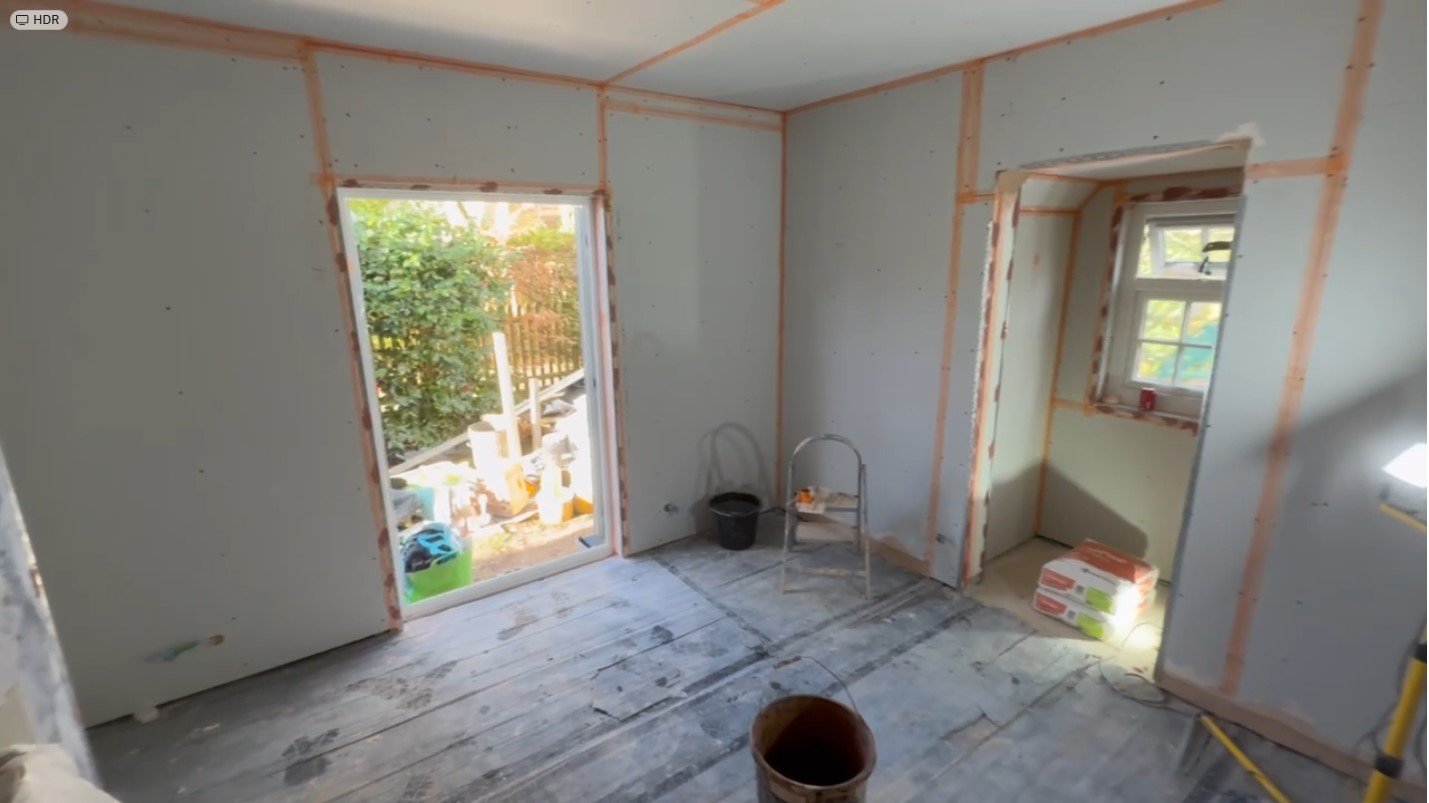
Installation: The walls are primed with PVA, and the insulated plasterboard is either fixed using drywall adhesive ("dot and dab") or screwed onto timber battening.
Thickness: The boards are typically 65mm to 75mm thick, which includes 50mm of high-performance insulation and 12.5mm of plasterboard. The adhesive dabs add a minimum of 10mm, but this gap can be made deeper to neatly hide electrical conduits and pipework if required.
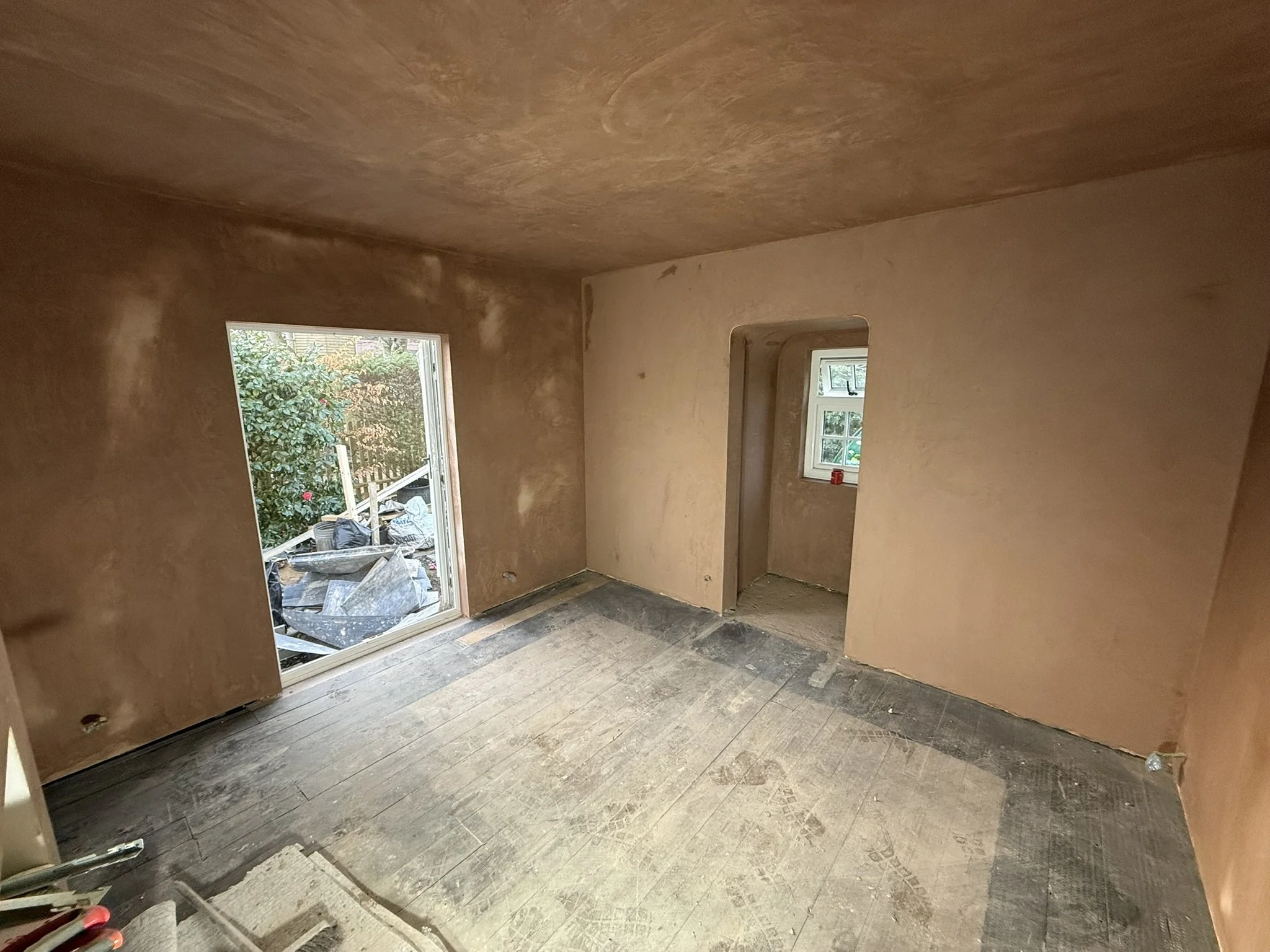
Finishing: Once the boards are secure, the walls are skimmed with plaster, the skirting boards and coving are refitted, and the room is left completely ready for decoration.
The materials are highly cost-effective—with each standard board covering 2.88 square metres—and the external walls of a typical room can usually be insulated and plastered in just a couple of days.
The benefits go far beyond just slashing your heating bills:
Eliminates Mould & Condensation: Because the internal surface of the wall is no longer freezing cold, warm humid air won't condense on it, preventing the moisture that triggers toxic black mould.
Faster Warm-Up Times: Your radiators will heat the room much quicker because the warmth is no longer being absorbed and wasted by cold exterior brickwork.
Summer Cooling: Once winter passes, the insulation pulls off its second trick. It keeps your home beautifully cool in the summer by blocking radiant and conducted heat from penetrating through the outer structure.
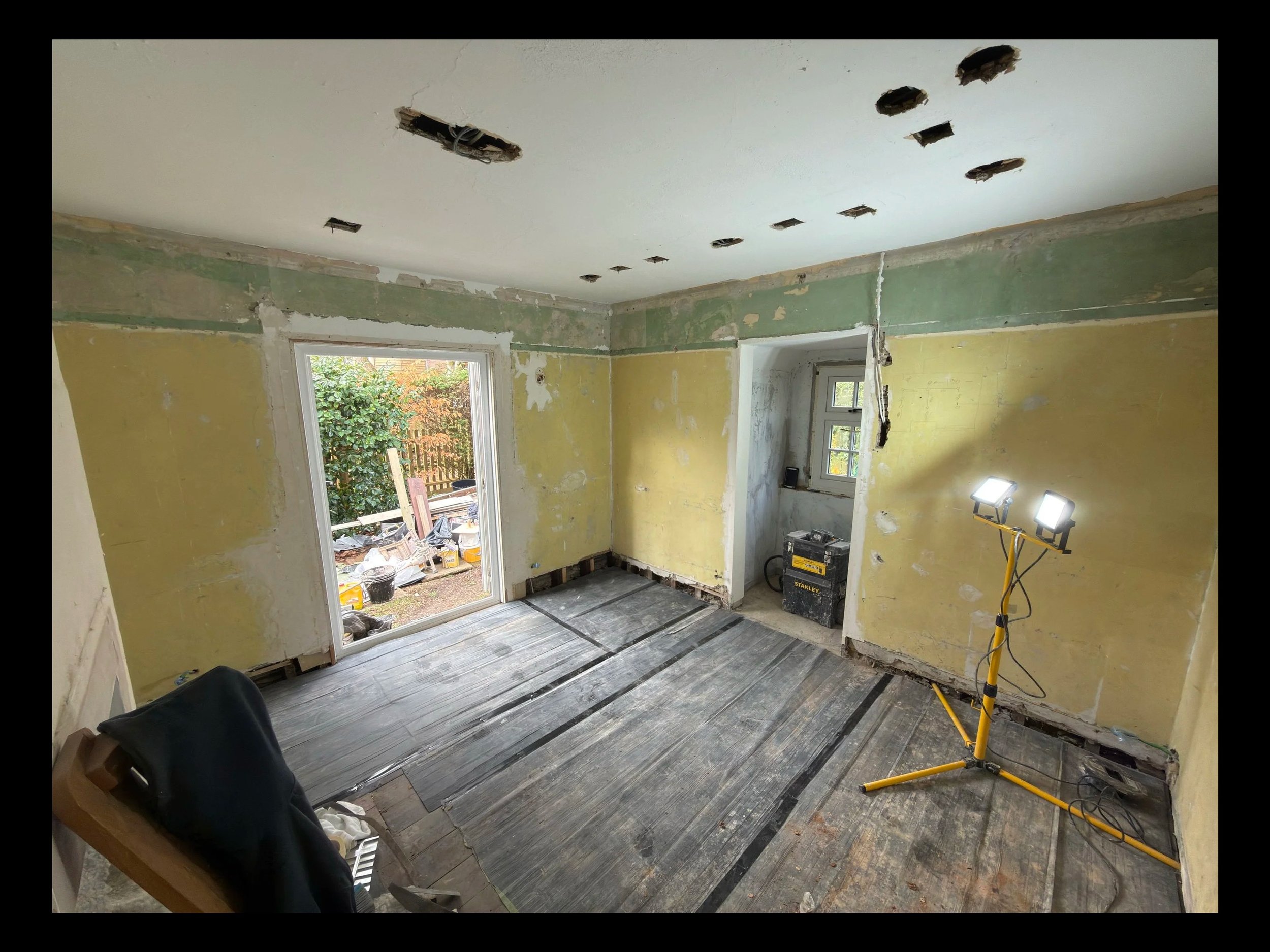
In the pictures below, you can see a project we recently completed for a client with a timber-frame property that suffered from freezing winters and sweltering summers. By installing insulated plasterboard, we completely transformed the comfort of the space with a minimal, barely noticeable loss to the room's overall size.